Navigating Post-Scuba Ear Discomfort: A Strategic Overview
For many recreational and professional divers, the exhilarating descent into the underwater world can sometimes be followed by the vexing challenge of clearing ears after surfacing. This common post-dive phenomenon, often characterized by a sensation of fullness, blockage, or muffled hearing, stems from residual pressure imbalances within the middle ear. Effective management is not merely about comfort; it is crucial for preventing long-term auditory health complications and ensuring a safe return to diving activities.
Proactive Dive Management: Mitigating Barotrauma Risks
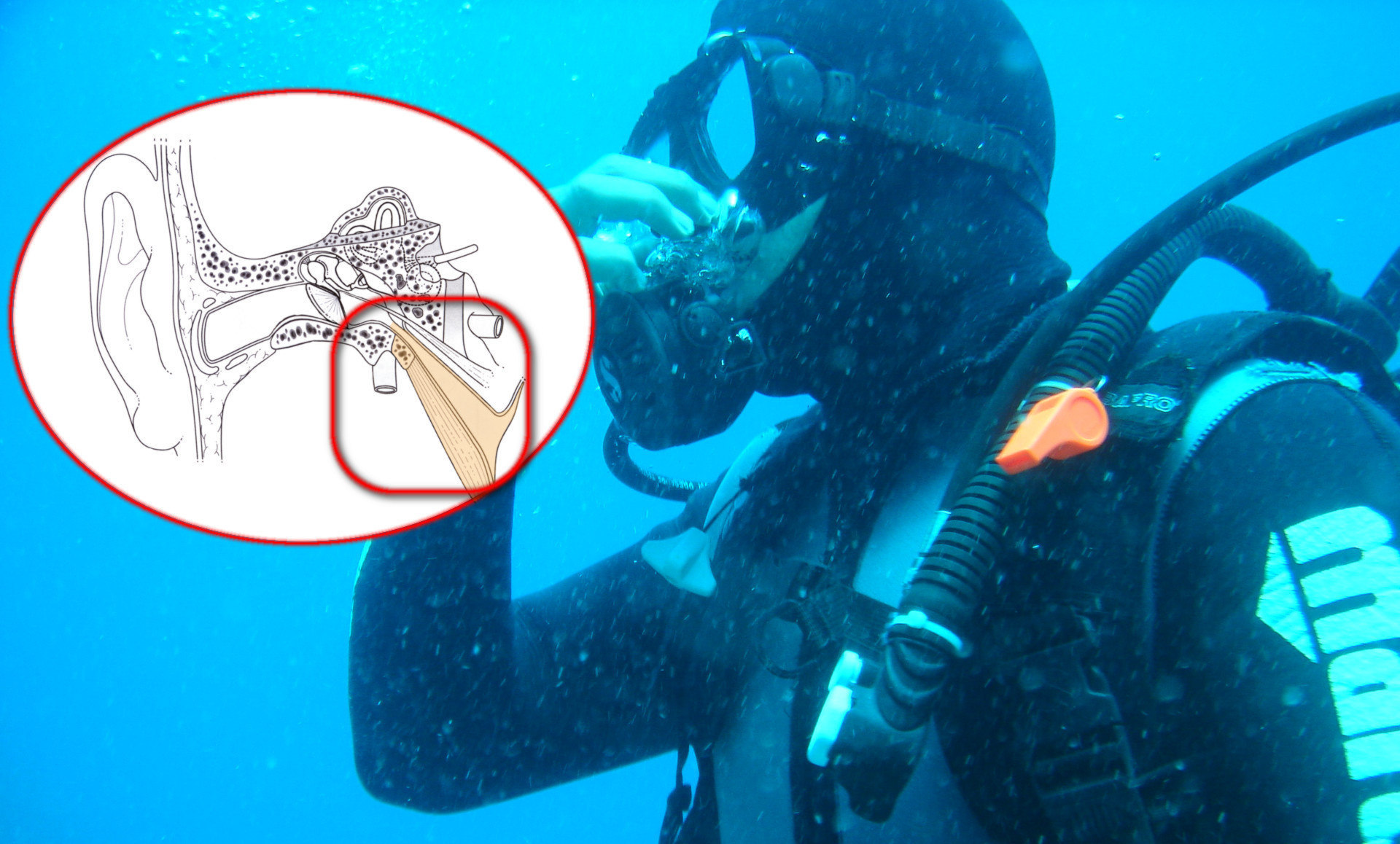
The most effective strategy for managing post-dive ear issues begins well before the dive concludes. Proactive dive management focuses on preventing the accumulation of pressure differentials that lead to discomfort. The primary mechanism for achieving this is consistent and effective equalization throughout the descent and, crucially, during ascent. Techniques like the Frenzel maneuver, which involves blocking the nostrils and gently contracting the throat muscles to push air into the Eustachian tubes, are often preferred over the Valsalva maneuver (pinching nostrils and blowing) due to its lower risk of over-pressurization. Regular, gentle equalization every few feet during descent, rather than waiting for discomfort, ensures that the pressure in the middle ear matches the ambient water pressure, preventing the vacuum effect that can lead to barotrauma and subsequent congestion.
Beyond technique, pre-dive physical condition plays a significant role. Divers with existing nasal congestion, allergies, or mild colds are inherently at a higher risk of equalization difficulties. The inflammation and mucus production associated with these conditions can partially or completely block the Eustachian tubes, making equalization strenuous or impossible. Advising divers to postpone dives when experiencing such symptoms is paramount. Furthermore, hydration and avoiding irritants like smoking before a dive can contribute to healthier mucous membranes, facilitating easier equalization. A slow, controlled ascent, adhering strictly to ascent rates and safety stops, allows the body more time to naturally equalize pressure, significantly reducing the likelihood of residual ear blockages.
Post-Dive Remediation: Gentle Resolution Strategies
Even with meticulous proactive measures, some divers may still experience a sensation of ear fullness or blockage post-dive. In these instances, the focus shifts to gentle, non-invasive remediation strategies designed to encourage natural equalization without causing further trauma. Aggressive attempts to clear the ears, such as forceful Valsalva maneuvers or rapid head movements, can exacerbate inflammation, potentially causing further injury or delaying recovery. Instead, strategies like yawning, swallowing, or gently wiggling the jaw can often activate the muscles around the Eustachian tubes, promoting subtle opening and pressure release. Chewing gum can also stimulate these muscles effectively.

Applying warm compresses to the outer ear can help to reduce localized swelling and improve blood flow, potentially aiding the natural drainage and opening of the Eustachian tubes. Nasal irrigation using saline solutions, commonly done with a neti pot or saline spray, can also be beneficial. By clearing nasal passages and reducing inflammation in the upper respiratory tract, these methods indirectly support Eustachian tube function, facilitating the natural equalization process. For persistent congestion, over-the-counter decongestants, either oral or nasal sprays, can temporarily reduce swelling of the mucous membranes. However, their use should be judicious and short-term, as prolonged use of nasal sprays can lead to a rebound effect, worsening congestion.
The Role of Professional Medical Intervention
While most post-dive ear issues resolve within a few hours to a day with gentle care, certain symptoms necessitate immediate professional medical evaluation. Persistent pain, severe dizziness, hearing loss that does not quickly improve, tinnitus (ringing in the ears), or a feeling of fluid draining from the ear canal are all red flags indicating potential barotrauma, infection, or more serious injury. Consulting an Ear, Nose, and Throat (ENT) specialist or a doctor with expertise in dive medicine is crucial in these scenarios. Early diagnosis can prevent chronic issues and ensure appropriate treatment.
Medical interventions can range from prescription-strength decongestants or anti-inflammatory medications to address swelling and facilitate drainage, to antibiotics if an infection has developed. In rare but severe cases of barotrauma, such as a ruptured eardrum or inner ear damage, more aggressive treatments, including surgical repair, may be necessary. An ENT specialist can conduct a thorough examination, including otoscopy and audiometry, to precisely diagnose the issue and formulate a targeted treatment plan. For professional divers, documentation and reporting of such incidents are vital for maintaining dive fitness and informing future operational protocols.
“The subtle art of equalization is often underestimated. Consistent, gentle pressure management throughout the dive is the single most important factor in preventing post-dive auditory complications. Aggressive clearing, whether ascending or post-dive, invites further trouble.”
— Dr. Anya Sharma, Dive Medicine Specialist
| Characteristic | Proactive Dive Management (Prevention) | Post-Dive Remedial Actions (Resolution) |
|---|---|---|
| Timing | Before and during the dive (especially descent and ascent) | Immediately after surfacing, persisting for hours/days |
| Primary Goal | Prevent pressure differential buildup and barotrauma | Restore natural middle ear pressure, alleviate congestion |
| Effectiveness | Highly effective in preventing issues when properly executed | Moderately effective for mild, temporary blockages; less so for severe issues |
| Risks | Minimal if done correctly; forceful techniques can cause injury | Low risk with gentle methods; forceful techniques can worsen injury |
| Common Techniques | Frenzel/Valsalva before discomfort, slow ascent, avoiding diving while congested | Yawning, swallowing, jaw wiggles, warm compresses, saline nasal spray, mild decongestants |
| Long-term Impact | Reduces risk of chronic ear issues, enhances dive safety | Provides temporary relief; does not address underlying causes if recurrent |
“Understanding the physiology of ear equalization is critical. When divers face persistent post-dive issues, it’s often an indicator of either improper in-water technique or an underlying anatomical predisposition that warrants medical investigation, not just continued self-treatment.”
— Professor Marc Dubois, Audiologist & Recreational Diver
FAQ Section
Why do my ears get blocked *after* diving, not just during the descent or ascent?
Post-dive ear blockage often occurs due to residual swelling or inflammation of the Eustachian tubes, which connect the middle ear to the back of the throat. Even if equalization was successful during the dive, the pressure changes and minor trauma can cause the tissues to swell slightly, leading to temporary occlusion of the tubes. This prevents air from entering or leaving the middle ear naturally, creating a sensation of fullness or blockage. Sometimes, fluid can also accumulate in the middle ear, contributing to the blocked sensation, a condition known as serous otitis media or middle ear effusion.
Can I prevent post-dive ear issues by using specialized diving earplugs?
While some specialized diving earplugs are designed to slow down pressure changes, most conventional earplugs are generally not recommended for scuba diving. Standard earplugs create an air pocket in the outer ear canal, which cannot equalize with the ambient water pressure as you descend. This can lead to a phenomenon known as ‘reverse block’ or ‘ear squeeze,’ where the earplug is forced inward, potentially causing severe pain, eardrum rupture, or barotrauma. Any device that occludes the ear canal and prevents water contact must be specifically designed for diving and allow for pressure equalization, often through special vents or membranes. For most divers, mastering natural equalization techniques is a safer and more effective approach.
When should I seek professional medical advice for persistent ear trouble after diving?
It is crucial to seek professional medical advice if your post-dive ear symptoms persist for more than 24-48 hours, or if you experience severe symptoms immediately after a dive. Red flags include intense pain, noticeable hearing loss, ringing in the ears (tinnitus) that doesn’t subside, persistent dizziness or vertigo, or any discharge from the ear canal. These symptoms could indicate barotrauma, a middle ear infection, or even damage to the inner ear, which requires prompt diagnosis and treatment by an Ear, Nose, and Throat (ENT) specialist or a doctor experienced in dive medicine to prevent long-term complications.
Verdict: Effective management of post-scuba ear discomfort is undeniably rooted in proactive prevention. Mastering and consistently employing proper equalization techniques throughout every dive, coupled with an awareness of one’s physical condition, significantly reduces the incidence of issues. However, when discomfort does arise, gentle, informed remedial actions are preferable to aggressive self-treatment, which can exacerbate injury. For any persistent, severe, or concerning symptoms, immediate consultation with a medical professional, particularly an ENT specialist or dive medicine physician, is not merely advisable but essential. Prioritizing ear health through prevention and timely, expert intervention ensures both immediate comfort and the long-term sustainability of diving endeavors.