Analyzing the Impact of Lighting Design Philosophy
Effective illumination extends beyond basic lumen output or fixture specification. A comprehensive lighting design point of view book provides critical frameworks for understanding light’s psychological, physiological, and aesthetic influence. This analytical approach offers designers a robust foundation for creating truly impactful environments, moving beyond mere technical compliance.
The Strategic Value of Design Intent
A lighting design point of view book elevates discussion from ‘what’ products to use to ‘why’ and ‘how’ light is applied. Unlike product catalogs detailing specifications like luminaire efficacy (e.g., 120 lumens/watt) or beam angle (e.g., 36 degrees), a design treatise focuses on strategic intent. For instance, creating intimacy might require 150-200 lux at 2700K with directional sources. Conversely, task-oriented workspaces demand 500-750 lux at 4000K, prioritizing uniform distribution and minimal glare (UGR < 19). Qualitative aspects—psychological comfort and aesthetic integration—are central to design philosophy, directly impacting occupant well-being. Poor design leads to energy waste; some commercial spaces are over-illuminated by 20-30%, resulting in 0.5-0.7 kWh/m²/year excess consumption. A design-first approach optimizes these factors from conception.
Frameworks for Aesthetic and Functional Integration
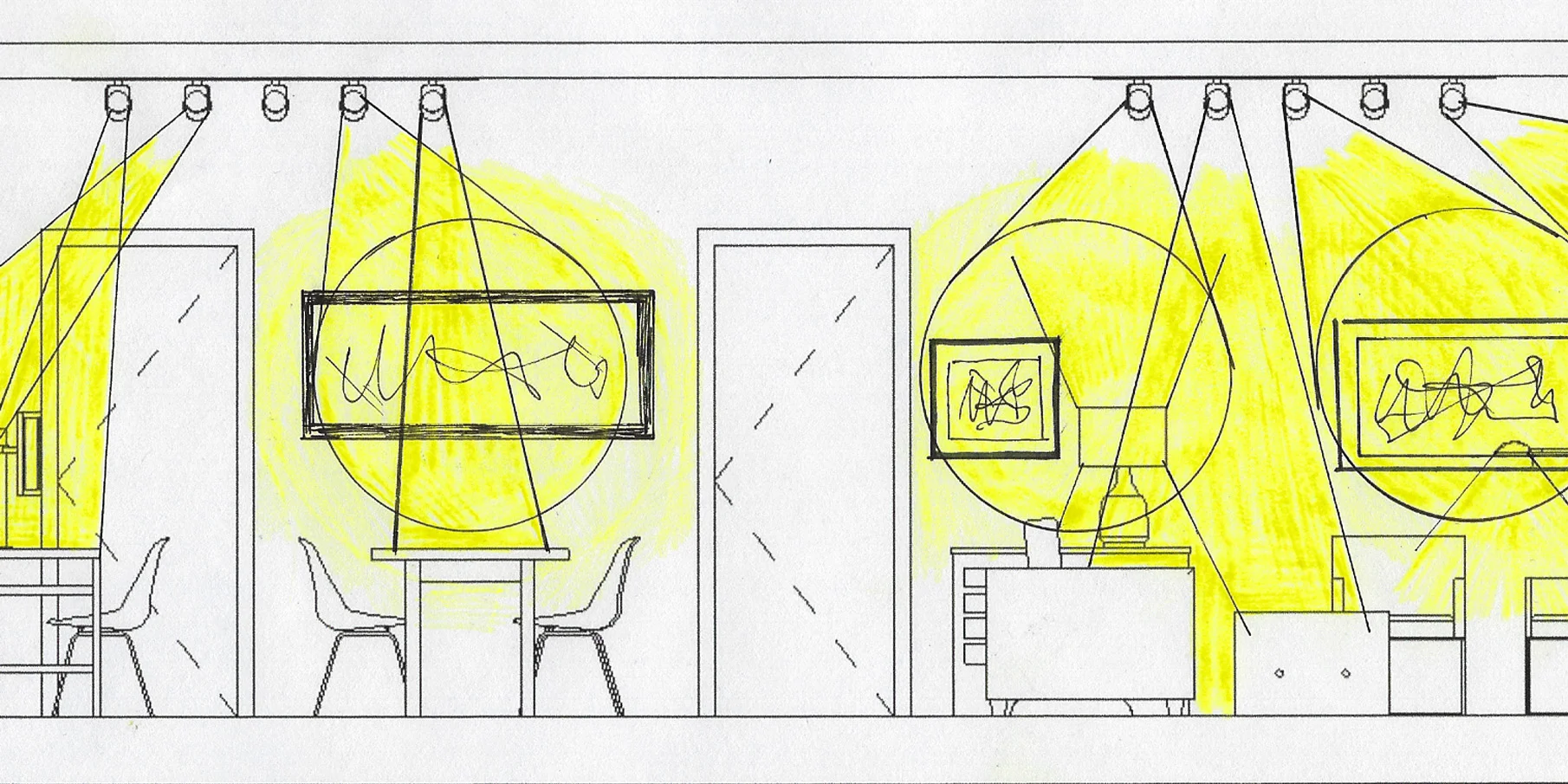
Lighting design books articulate frameworks guiding light integration within architectural contexts, exceeding simple code compliance (e.g., NFPA 101 egress). These frameworks emphasize principles like hierarchy, rhythm, and contrast. Visual hierarchy, for example, uses accent lighting at 5:1 contrast ratios relative to ambient light (e.g., 1000 lux on artwork vs. 200 lux ambient). Rhythm can be achieved through repetitive luminaire placement or variable intensity programming. Contrast, both in illuminance and CCT (e.g., warm 2700K vs. cool 5000K), sculpts spaces. The trade-off between customized artistic expression and cost-effective modularity is recurring; bespoke solutions might increase initial capital expenditure by 15-25% over standardized fixtures, yet long-term benefits in user satisfaction often justify this delta, particularly in hospitality or retail sectors.

Analytical Comparisons and Technical Trade-offs
Comparing a lighting design point of view book to a technical specification sheet reveals distinct analytical objectives. A spec sheet provides quantitative data: lumen output (e.g., 5000 lm), wattage (e.g., 40W), CRI (> 90), CCT (3500K), IP65. Its primary function is procurement. In contrast, a design book interprets how these metrics serve a larger vision. While a spec sheet states CRI, a design book explores why CRI 90+ is crucial for accurate skin tones or how a specific CCT evokes an emotional response. Trade-offs are significant. Prioritizing technical minimums (e.g., cheapest fixtures for minimum lux) often creates uninspired or uncomfortable environments. A design-centric approach might specify fixtures with higher initial cost due to advanced optical control or superior color quality (e.g., high R9 values). While these fixtures might increase upfront investment by 10-15% per unit, they reduce rework, improve occupant satisfaction by 20-30%, and decrease overall energy consumption by 5-10% through efficient light distribution. Long-term operational savings and qualitative benefits typically outweigh the initial premium.
Practical Application and Measurable Outcomes
Translating theoretical design principles into tangible project outcomes demands a structured approach. Define design intent (e.g., “cozy and inviting” translates to 100-200 lux, 2400-2700K CCT, UGR 10-15). Establish and monitor performance metrics: target lux levels within +/- 10%, CRI > 85, and energy density below 8 W/m² for general lighting. A design point of view informs critical decisions like fixture placement (e.g., downlights 0.75-1.0 times ceiling height spacing), light distribution patterns (e.g., Type III for street lighting), and controls integration (e.g., daylight harvesting reducing energy by 20-40%). Emphasis is on iterative design and validation, using photometric simulations (DIALux, AGI32) to predict light levels and glare against established criteria, ensuring the “point of view” delivers concrete, measurable improvements in functionality and user experience.
Key Principles from a Lighting Design Perspective:
- Hierarchy & Focus: Directing attention via illuminance variation (e.g., 5:1 contrast).
- Mood & Atmosphere: Using specific CCTs (2700K for warmth, 5000K for alertness) and intensity.
- Spatial Definition: Articulating forms with light/shadow for depth.
- User Well-being: Minimizing glare (UGR < 19) and optimizing SPD for circadian support.
- Energy Efficiency: Integrating controls (sensors) and high-efficacy luminaires (>120 lm/W) to reduce power density (< 8 W/m²).
- Material Interaction: Understanding light interaction with surfaces to reveal texture and color (CRI > 90).
Common Mistakes to Avoid in Lighting Design:
- Over-reliance on Software Defaults: Accepting calculations without critical design input.
- Ignoring Human Factors: Neglecting psychological/physiological light impact.
- Disregarding Architectural Context: Implementing solutions conflicting with building intent.
- Poor Fixture Selection: Choosing solely by cost/specs; ignoring beam, color quality, UGR.
- Inadequate Controls Integration: Failing to implement dimming, scheduling, or daylight harvesting.
- Insufficient Budget for Design: Underestimating professional lighting design value.
FAQ
How does a lighting design point of view book differ fundamentally from a technical product catalog?
A design book offers a theoretical framework for why lighting choices are made, exploring psychological, aesthetic, and functional impacts. It guides strategic decisions. A technical catalog lists quantitative specifications (lumen output, wattage, CRI, CCT) for individual luminaires, focusing on ‘what’ a product does. It facilitates tactical product selection.
What measurable impacts can a design-centric lighting approach yield in commercial projects?
A design-centric approach can achieve 15-20% improvement in occupant satisfaction (e.g., UGR < 19). Energy consumption can reduce by 10-30% via intelligent controls. In retail, enhanced design may increase sales by 5-10%. For offices, better lighting is linked to a 2-5% increase in productivity.
What are the primary considerations when selecting a lighting design resource beyond simple technical manuals?
Prioritize resources offering a comprehensive design philosophy, principles of light application, and human response. Look for authors with project experience, evidence-based approaches, and relevance to current trends (circadian lighting, sustainability, advanced controls). A valuable resource integrates aesthetic and technical understanding holistically.