Making a Paraglider Chase Camera
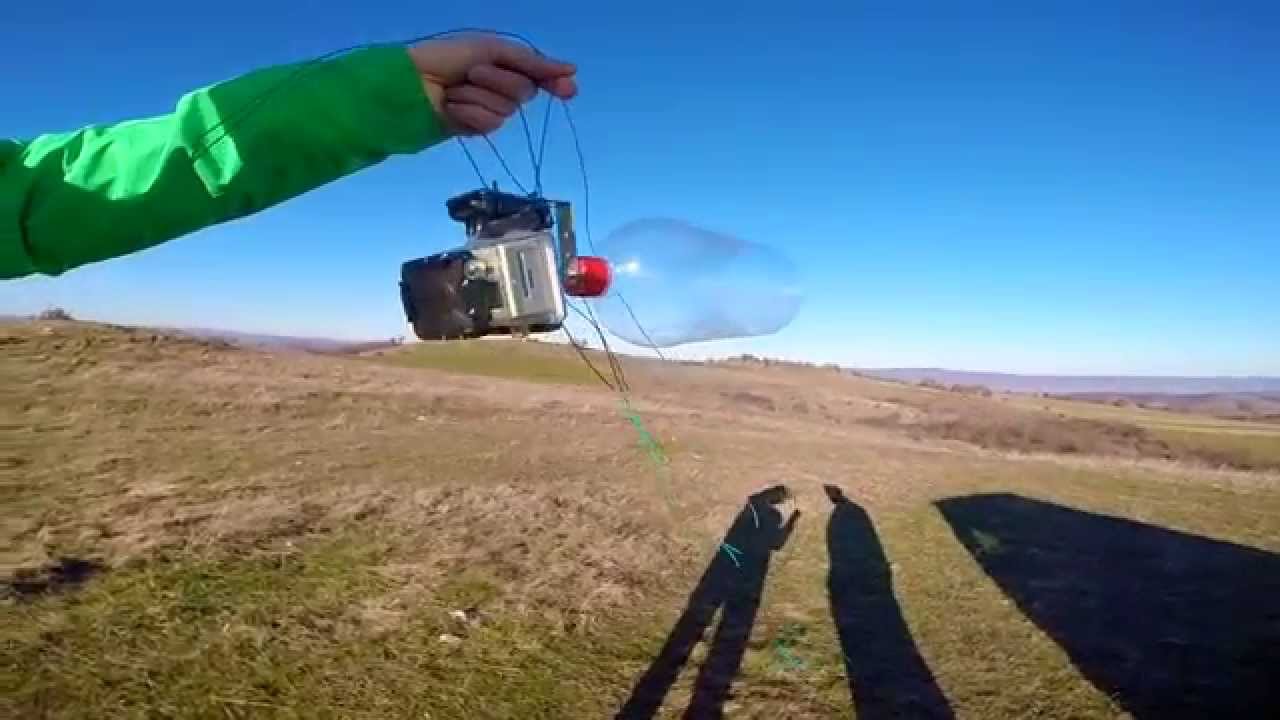
Developing a paraglider chase camera system presents distinct engineering challenges, primarily concerning aerodynamic stability, payload integration, and structural integrity under dynamic flight conditions. The objective is to secure high-quality aerial footage while minimizing impact on glider performance and ensuring equipment safety. This analysis details the technical considerations and practical implementation strategies for constructing such a device.
Aerodynamic Design and Structural Rigidity
The chase cam’s aerodynamic profile is critical for flight stability and minimizing paraglider performance impact. Streamlined, minimalist frames are essential to reduce drag. Carbon fiber tubing (e.g., 8-12mm diameter, 1mm wall thickness) offers superior strength-to-weight (tensile strength ~1.6 GPa, density ~1.8 g/cm³) compared to aluminum (e.g., 6061-T6, tensile strength ~310 MPa), allowing a structural frame under 150 grams. Stability is achieved by positioning the center of gravity (CG) significantly below the tow point; a 10 cm offset enhances roll and pitch stability by increasing the pendulum effect. Minor aerodynamic fins can increase directional (yaw) stability, dampening oscillations, though they slightly increase the drag coefficient (0.15-0.25). Frame rigidity is vital; reinforced connections, via epoxy or bolted assemblies, prevent camera shake from vibrations and ensure the system maintains structural integrity under dynamic flight loads.
Payload Integration and Stabilization Systems
Effective payload integration balances camera performance, weight, and stabilization. Action cameras like GoPro Hero 11 (153g, 5.3K60fps) offer high resolution and robust Electronic Image Stabilization (EIS). EIS provides stabilization without added mass but crops 10-15%. Mechanical gimbals (e.g., FeiyuTech G6, 336g) offer superior smoothness by counteracting pitch/roll/yaw, but significantly increase system mass (250-400g plus camera). A gimbaled system often exceeds 500g, potentially impacting glider handling. Powering is critical: internal camera batteries (e.g., Hero 11’s 1720mAh for ~60 min at 4K60) can be augmented by external USB-C power banks (e.g., 5000mAh, 120g, extending to ~3 hours). All wiring must be securely routed.
Towing System Dynamics and Deployment
The towing system maintains the chase cam’s position, with line material and length influencing aerodynamic interaction. Dyneema line (e.g., 2mm diameter, 300kg breaking strength) is preferred for minimal stretch and reduced drag; a 10-meter line adds less than 0.5 N drag at typical speeds (25-45 km/h). Line length is critical: 5 meters offers tighter shots with less drag, versus 15 meters for wider views but increased drag and entanglement risk. An 8-12 meter length is a common compromise. Attachment to the harness or risers must be robust and strategically placed, impacting the camera’s trailing angle. Total system weight (e.g., a 500-gram chase cam) creates continuous tension. Ensuring the chase cam’s CG is slightly forward of the tow line attachment promotes a stable, nose-down attitude, reducing pitch oscillations.

| Configuration | Key Components | Total Estimated Weight (g) | Typical Battery Life (min) | Stabilization Method | Primary Trade-off |
|---|---|---|---|---|---|
| Minimalist Carbon Fiber Rig | GoPro Hero 11, Custom Carbon Fiber Frame (50g), 10m Dyneema Line | 210 | 60-75 | Electronic Image Stabilization (EIS) | Reduced smoothness in extreme turbulence; potential digital crop. |
| Gimbal-Stabilized System | GoPro Hero 11, FeiyuTech G6 Gimbal (336g), Aluminum Frame (100g), 10m Dyneema Line | 600 | 45-60 (camera + gimbal) | 3-Axis Mechanical Gimbal | Significant weight increase affecting glider performance; higher cost. |
| Extended-Range Gimbal System | GoPro Hero 11, FeiyuTech G6 Gimbal (336g), External 5000mAh Power Bank (120g), Optimized Carbon Fiber Frame (70g), 12m Dyneema Line | 700 | 180+ (camera + gimbal) | 3-Axis Mechanical Gimbal | Maximized weight impact on glider; increased complexity for deployment/retrieval. |
| Ultra-Light EIS Rig | Insta360 GO 3 (35g), Minimalist ABS Printed Frame (20g), 8m Dyneema Line | 70 | 30-45 | Electronic Image Stabilization (EIS) | Lower resolution and frame rates; limited battery life. |
- Pre-Flight Checks: Verify all connections, line integrity, camera mounts, and battery levels before each flight.
- Ground Test Deployments: Test cam stability and trailing during ground launches or low-altitude flights to fine-tune line length and weight distribution.
- High-Visibility Components: Use bright colors (e.g., fluorescent orange) on the frame or line for easier retrieval and air traffic visibility.
- Secure All Wiring: Tightly secure cables to the frame to prevent snagging or airflow interference.
- Aerodynamic Impact: Be aware the cam introduces drag, affecting glider trim speed and sink rate; monitor glider behavior.
- Redundancy Leashes: Attach a secondary safety leash between the camera and frame, especially for gimbaled or detachable units.
- Optimize Center of Gravity: Adjust cam’s CG with counterweights for stable trailing and reduced oscillations.