Is Scuba Diving an Extreme Sport?
After 15+ years and thousands of dives, the “extreme sport” label for scuba diving is a common query. My experience reveals a nuanced answer rooted in training and control.
Defining “Extreme”: Beyond Thrills
Extreme sports involve high inherent risk, pushing human limits with severe failure consequences—like base jumping. Recreational scuba diving prioritizes control, planning, and risk mitigation. It’s an adventure, not an uncontrolled gamble.

Media often sensationalizes diving. My reality emphasizes training and safety. A new diver on a calm reef isn’t extreme. Yet, overconfident beginners attempting uncertified cave dives turn safe activity into reckless endangerment. It’s extreme poor judgment.
Common Beginner Mistake: Underestimating the Environment
New divers often underestimate rapid underwater changes (currents, visibility), causing panic from lacking environmental respect or training trust.
Actionable Pro Tips:
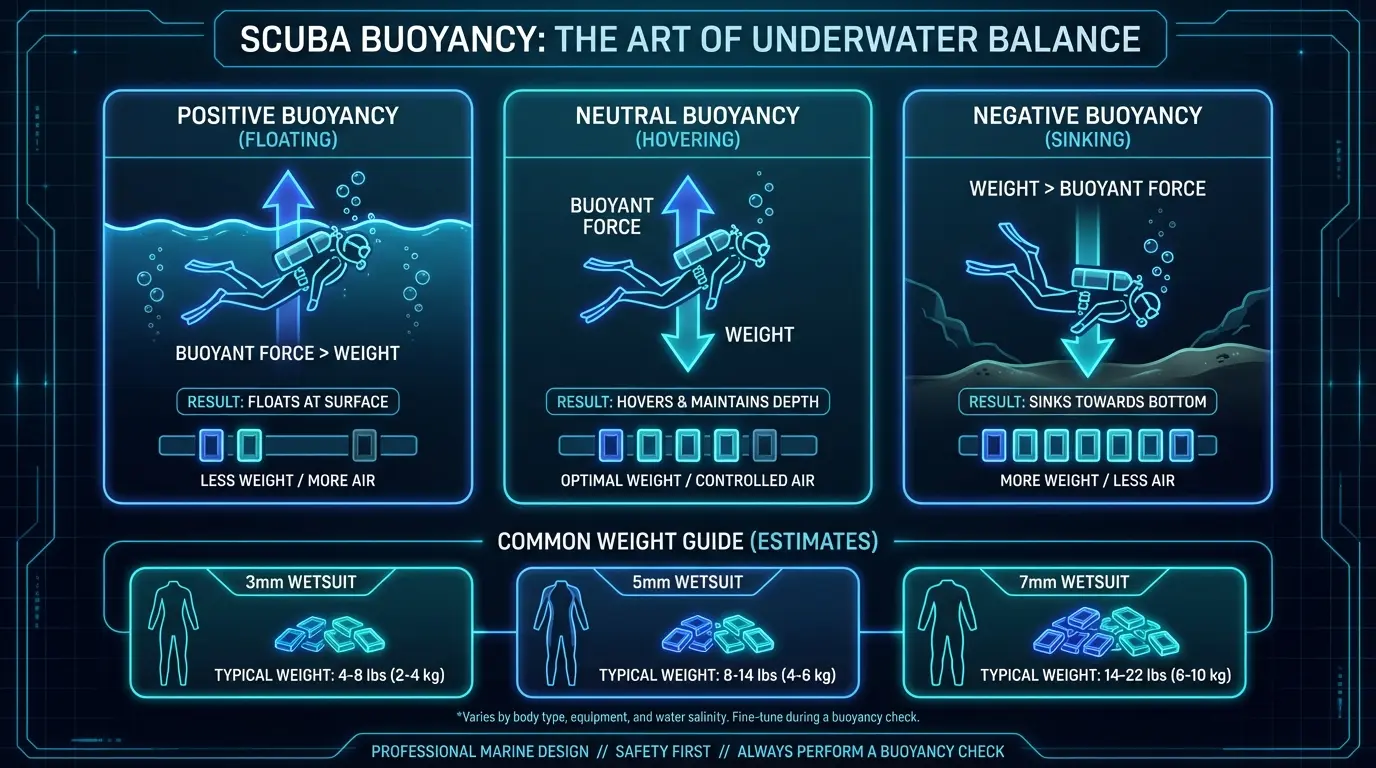
- Master Buoyancy: Essential for air conservation and stress reduction.
- Continuous Education: Advanced courses build critical emergency management skills.
Risk Versus Reality: Fact vs. Fear
The “extreme” label implies high risk. While risks exist, recreational diving actively mitigates them through training, equipment, and protocols. Most incidents are preventable human errors.
My career emphasizes safety. I once aided a diver whose air consumption soared; training enabled a controlled ascent. This was risk management. Statistically, diving is very safe, with fatalities lower than cycling or marathons.
Fact: DAN reports ~1-2 scuba diving fatalities per 100,000 dives, lower than many common daily activities.
Insight: Rigorous training and protocols make recreational diving substantially safer than public perception implies.
Common Beginner Mistake: Neglecting Gear & Checks
Beginners often skip pre-dive checks. Overlooking regulator tests or O-ring inspections leads to avoidable underwater problems.
Actionable Pro Tips:
- Perform BWRAF Buddy Checks: Catches forgotten weights or unturned air valves, preventing emergencies.
- Maintain Gear Diligently: Annual servicing and rinses ensure reliability and extend lifespan.
The Thrill of Control: Why Diving Captivates
If not extreme, why is diving so thrilling? It’s the unique blend of exploring an alien world, weightless freedom, and intellectual challenge of managing life support. This is true adventure.
Divers progress beyond initial wonder, tackling deeper waters or currents. This builds accomplishment. My advanced navigation course through a coral maze involved intense but controlled precision and teamwork—a test of skill, meticulously managed.
Statistic: Over 6 million globally hold active scuba certifications. This indicates accessibility, not exclusivity to thrill-seekers.
Insight: High volume of certified divers confirms recreational diving as a safe, regulated, enjoyable for a diverse demographic.
Common Beginner Mistake: Overconfidence/”Hero Mentality”
Some divers gain false invincibility. Ignoring training or pushing limits to impress transforms safe dives into dangerous situations.
Actionable Pro Tips:
- Adopt a Growth Mindset: Refine skills (buoyancy, navigation) on every dive. Focus on competence within safe limits.
- Be a Steward: Protect the underwater world. Practice good buoyancy and avoid marine contact.
Frequently Asked Questions
Is it difficult to learn scuba diving?
Accessible for most healthy individuals. Courses combine classroom, pool, and open water dives. Instructors guide you.
What are the biggest risks in recreational scuba diving?
Mainly human error: out of air, rapid ascents, entanglement. Planning, limits, and training mitigate risks.
Can anyone try scuba diving?
Most healthy individuals 10+ comfortable in water can try. Medical questionnaire screens conditions. Water comfort and following instructions are key.