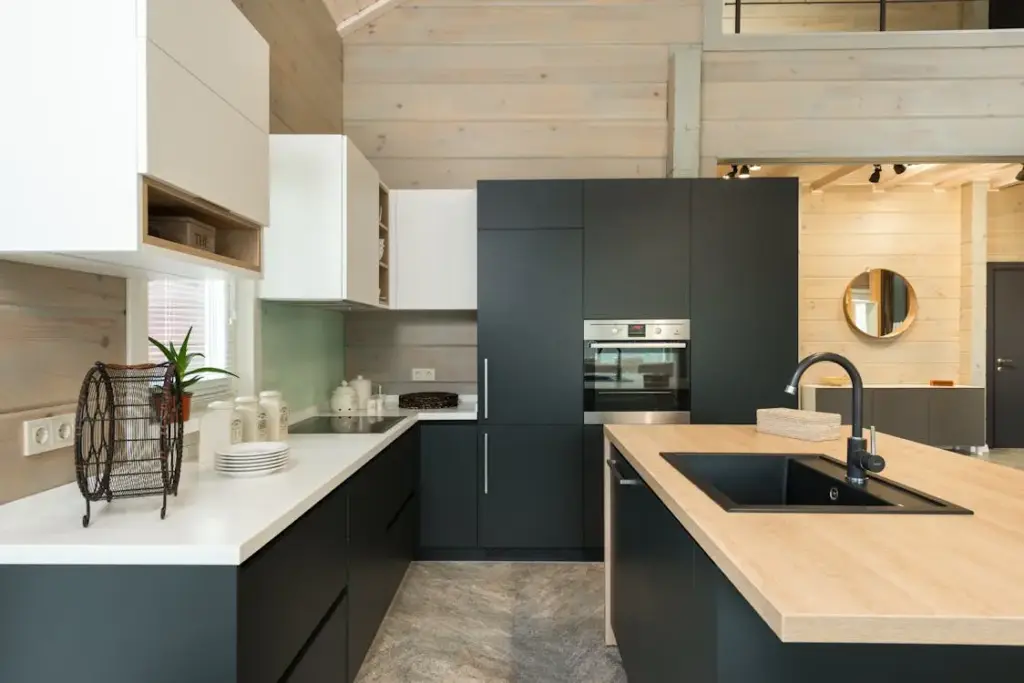
Making Kitchen Choices: Function & Style That Last
After 15 years in the trenches of kitchen design, I’ve seen it all: stunning successes and regrettable missteps. When you’re standing in front of endless samples, the sheer volume of choices for your kitchen can be overwhelming. My goal here is to distill that experience into actionable advice, helping you navigate these decisions with confidence to build a space that truly works for you.
Foundation First: Layout and Cabinetry
Before you even think about colors or finishes, the foundational elements of your kitchen – the layout and cabinetry – demand your primary attention. This is where function is truly born. I once had a client who insisted on squeezing a U-shaped layout into a relatively narrow galley space, convinced it would maximize counter space. What we actually created was a series of awkward corners and frustrating bottlenecks. After some collaborative discussion, we pivoted to a single-wall layout with a compact, multi-functional island, dramatically improving the flow and access, particularly around the refrigerator and oven. My advice? Prioritize ergonomic workflow zones – prep, cook, wash – over rigid adherence to any ‘golden triangle’ if your space simply doesn’t allow it. It’s about designing for how you move.
When it comes to cabinetry, you’re looking at the backbone of your kitchen’s storage and much of its visual appeal. I’ve seen countless beginners underestimate their storage needs, resulting in cluttered countertops just a few months post-reno. Think beyond just shelves: consider deep drawers for pots and pans, pull-out pantry units for staples, and specialized organizers for cutlery and spices. Materials matter too; plywood offers superior strength and moisture resistance compared to particle board, making it a sound long-term investment, even if it’s a bit more upfront. Custom or semi-custom cabinets allow for greater optimization of your space, especially in older homes with quirky dimensions, ensuring every inch works for you.

The Heart of the Kitchen: Countertops and Appliances
These elements are often the most heavily used and visually dominant. Your countertops need to withstand daily abuse while contributing significantly to your kitchen’s aesthetic. I recall a young family, passionate about cooking, who fell in love with a beautiful natural marble. While stunning initially, they quickly regretted the frequent etching from lemon juice and red wine spills that are inevitable with busy family life. For their next project, we steered them towards a durable quartz, which gave them the high-end look without the high-maintenance headache. Here’s a pro tip I always share: get large samples of your prospective countertop materials and live with them in your kitchen’s natural light for a few days. Don’t be afraid to test them with common spills – wine, oil, coffee – to see how they truly perform. This small effort can prevent significant future regrets.
Appliances represent a major investment, and it’s a common mistake for beginners to buy them based solely on aesthetics or brand reputation without considering their actual cooking habits and serviceability. Do you bake extensively? A convection oven might be a game-changer. Do you host large gatherings? Two dishwashers or a larger capacity refrigerator could be invaluable. Always verify energy efficiency ratings and, crucially, research local service availability for your chosen brands. A high-end appliance is only as good as its support network. Ensure the dimensions are correct and the power requirements are met. It sounds obvious, but I’ve seen clients order a pro-style range only to discover their gas line isn’t adequate or the electrical circuit can’t handle it, leading to costly last-minute changes.
Refining the Details: Backsplash, Lighting, and Hardware
These are the elements that truly elevate a kitchen from functional to fabulous. I remember a small kitchen where the client chose a dark, busy mosaic backsplash, believing it would add visual interest. Instead, it made the space feel cramped and visually overwhelming. Swapping it out for a simple, light-colored subway tile dramatically opened up the room, making it feel brighter and larger. Your backsplash is a canvas; it should complement, not compete with, your countertops and cabinetry. Consider the grout color carefully, as it can dramatically change the perception of the tile.
Lighting is another area where many go wrong. Relying solely on a single overhead fixture creates shadows, making prep work difficult and potentially dangerous. My actionable pro tip here is to layer your lighting: you need ambient light (recessed cans), task lighting (under-cabinet strips are non-negotiable for workspaces), and accent lighting (pendants over an island or subtle in-cabinet lights). Good lighting not only makes your kitchen safer and more functional but also enhances its aesthetic appeal, showcasing your chosen materials and finishes beautifully. I’ve seen well-lit kitchens look vastly superior to those with more expensive finishes but poor illumination.
Finally, hardware – your knobs and pulls – are the jewelry of the kitchen. Too often, they’re an afterthought, chosen quickly at the end. But they’re the most tactile elements, touched countless times a day. Think about their ergonomics, not just their style. A sharp-edged pull might look contemporary but feel uncomfortable over time. Match the finish and style to your overall design theme, considering durability. Solid brass or stainless steel will hold up better than plated options. This small detail can unify your entire kitchen’s design, making it feel polished and complete.
Bringing it All Together: Flooring and Color Palette
The flooring you select sets the tone for the entire kitchen and needs to perform under heavy foot traffic, spills, and potential impacts. I once worked on a project where a client loved the look of high-gloss porcelain tile for their bustling family kitchen. Within weeks, they were constantly cleaning visible footprints and worrying about slips on wet surfaces. A matte finish, or perhaps a durable wood-look LVT (Luxury Vinyl Tile) or engineered wood, would have offered far greater practicality without sacrificing style. My pro tip: select your flooring early in the design process, as it dictates much of the wall color and overall feel. Consider slip resistance and ease of cleaning as much as aesthetics.
Your color palette is the final unifying element that weaves everything together, ensuring your kitchen feels cohesive and welcoming. A common mistake is ignoring the kitchen’s relationship to adjacent rooms, leading to a disconnected or jarring transition. Think about creating a harmonious flow throughout your living space. Consider how natural light enters your kitchen throughout the day, as it can dramatically alter how colors appear. A brilliant white can feel stark in a north-facing room, while a warmer tone might bring in much-needed comfort. Use a neutral base for permanent fixtures like cabinets and countertops, then inject personality with paint, accessories, and a backsplash. This approach allows for easier updates down the line without a full renovation.
Actionable Pro Tips from My 15+ Years:
- Map out your daily workflow: Before placing anything, visualize yourself cooking, cleaning, and entertaining. Where do you need things to be? Design should always follow function.
- Invest in quality hardware: Soft-close hinges and drawer slides aren’t just luxuries; they significantly enhance daily use and the longevity of your cabinetry.
- Don’t skimp on ventilation: A powerful, properly sized range hood is crucial for air quality, preventing grease buildup, and keeping your entire home fresher.
- Consider future needs: Design with an eye towards tomorrow. Will you age in place? Do you anticipate family growth? Build in adaptability where possible.
- Live with your samples: Bring home cabinet doors, countertop swatches, and flooring samples. Observe them under different lighting conditions throughout the day before making final choices.
- Prioritize reputable installers: Even the most expensive materials can look terrible if poorly installed. Always choose experienced, well-reviewed contractors.
Common Mistakes to Avoid:
- Ignoring the “Work Triangle” or Zones: Placing the sink, stove, and refrigerator too far apart creates inefficiency. Think about how you move between these key points.
- Poor Lighting Design: Relying solely on a single overhead light fixture creates shadows and makes task work difficult and unsafe. Layer your lighting.
- Overlooking Storage Needs: Not planning for enough pantry space, drawer organizers, or specialized storage leads to cluttered countertops and frustration.
- Choosing Style Over Durability: Selecting materials that look great but won’t stand up to daily wear and tear in your specific lifestyle is a recipe for regret.
- Forgetting Proper Ventilation: An inadequate range hood leads to lingering cooking odors, grease buildup on surfaces, and reduced air quality throughout your home.
- Disregarding Ergonomics: Cabinets that are too high, counters that are too low, or difficult-to-reach items make the kitchen a chore to use.
- Impulsive Color Choices: Picking trendy colors without considering how they integrate with the rest of your home or how natural light affects them can lead to a disjointed feel.
FAQ
How do I balance aesthetics with functionality in my kitchen design?
In my experience, functionality should always be your starting point. Begin by solidifying the layout, ensuring efficient workflow between prep, cook, and wash zones, and planning ample, smart storage. Once that practical framework is robust, then layer in your aesthetic choices. Often, a highly functional design inherently possesses a beautiful, logical flow. Prioritize durable, low-maintenance materials that resonate with your personal style. For instance, a beautifully veined quartz offers the look of marble with superior durability, striking that perfect balance.
What are the most common budget pitfalls when designing a kitchen?
The biggest budget pitfalls I’ve seen over the years include underestimating the cost of installation (which can often equal or exceed material costs), not accounting for unforeseen issues like plumbing rerouting or electrical upgrades in older homes, getting carried away with high-end appliances that exceed actual needs, and frequent design changes mid-project. To mitigate this, always build a 10-15% contingency into your budget, be specific with your design choices upfront, and get detailed quotes that itemize materials and labor separately.
How do I choose a kitchen design professional?
Choosing the right professional is critical. Look for someone with a strong portfolio that showcases projects similar in scope and style to what you envision. Seek out client testimonials or, even better, ask for references you can speak to directly. Ensure they genuinely listen to your needs, lifestyle, and budget, and communicate clearly throughout the process. A good designer acts as your partner, offering expert guidance and practical solutions, not just taking orders. Don’t hesitate to interview a few before making a decision.