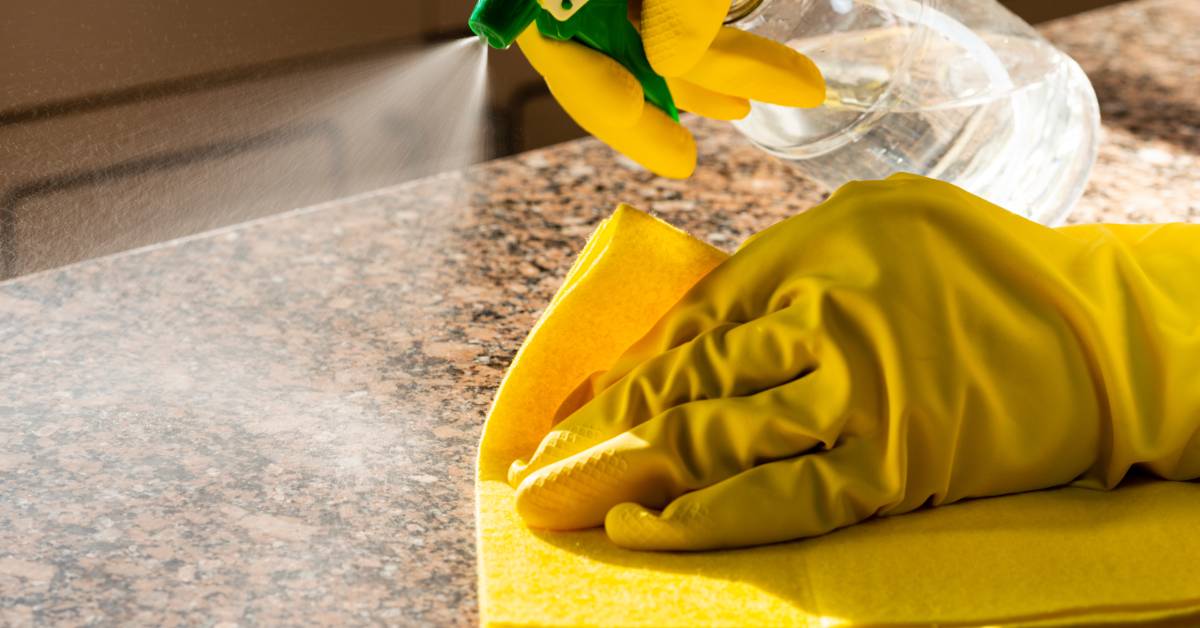
Stone Sink Scum: Mistakes to Avoid When Cleaning
Maintaining the pristine appearance of your stone kitchen sink requires a delicate balance of effective cleaning and careful prevention. While robust, materials like granite, quartz composite, or soapstone are susceptible to unsightly scum buildup, and improper cleaning methods can lead to irreparable damage. This guide illuminates the common pitfalls and overlooked problems when tackling stone sink scum, ensuring you preserve your investment.
1. Ignoring the Stone Type and Manufacturer Guidelines
A fundamental error many homeowners make is treating all stone sinks as identical. However, the cleaning needs of a natural granite sink differ significantly from an engineered quartz composite or a finely honed marble. Natural stones are often porous and may require sealing, making them vulnerable to acidic cleaners that etch or strong alkalis that strip sealants. Engineered composites, while less porous, can still be damaged by abrasive materials or harsh chemicals that compromise their resin binders or surface finish.
Before any cleaning attempt, it is paramount to identify your specific sink material. If possible, consult the original manufacturer’s care instructions, which often provide a list of approved and prohibited cleaning agents. Failing to do so can void warranties, dull the finish, or even permanently stain or pit the stone. This critical first step saves time, effort, and potential repair costs down the line.

Key Takeaway: Always confirm your sink’s material and consult manufacturer guidelines to prevent material-specific damage.
2. Using Abrasive Tools or Harsh, Incompatible Cleaners
When faced with stubborn scum, the natural inclination might be to reach for the strongest cleaner or scrubber available. This is a common and damaging mistake for stone sinks. Abrasive tools like steel wool, rigid scrub brushes, or even gritty scouring pads can scratch the surface of your sink, creating microscopic etches where dirt and scum can accumulate even more easily in the future. Over time, these scratches become noticeable dull spots, diminishing the sink’s aesthetic appeal.
Similarly, harsh chemical cleaners pose a significant threat. Bleach, ammonia-based cleaners, oven cleaners, or highly acidic substances like vinegar or lemon juice, while effective on some surfaces, can be catastrophic for stone. Natural stones, particularly those high in calcium (like marble or limestone), will react to acids by etching, leaving behind dull, rough spots. Even sealed granite or quartz can have their sealants compromised or their resin binders broken down by strong chemicals, leading to discoloration, haziness, or increased porosity. Always opt for pH-neutral cleaners specifically formulated for stone or a mild solution of dish soap and warm water.
Key Takeaway: Avoid abrasive scrubbers and harsh chemical cleaners (especially acids and strong alkalis) to protect your sink’s finish and integrity.
3. Neglecting Regular Maintenance and Allowing Scum to Harden
One of the most significant mistakes is letting scum accumulate and harden over extended periods. Kitchen sinks, especially those in stone, are exposed daily to a cocktail of food particles, oils, grease, soap residue, and hard water minerals. When these elements are left to dry and solidify, they form a tenacious layer of scum that is far more challenging to remove. The longer the scum sits, the more it bonds with the sink’s surface, requiring more aggressive (and potentially damaging) cleaning efforts later on.
A proactive approach saves time and prevents damage. Simple, daily habits can drastically reduce scum buildup. These include rinsing the sink thoroughly after each use, wiping away food debris and oil splashes, and drying the sink with a soft cloth to prevent hard water spots. Addressing minor accumulation regularly with gentle methods prevents the need for drastic measures, protecting your stone sink from the risks associated with intense cleaning sessions.
Key Takeaway: Consistent daily maintenance with gentle cleaning prevents hardened scum and protects your sink from aggressive cleaning necessities.
4. Inadequate Rinsing and Drying After Cleaning
The cleaning process doesn’t end when the scum appears to be gone; thorough rinsing and drying are critical steps that are often rushed or overlooked. Leaving residual cleaning agents on the stone surface, even those deemed ‘safe,’ can lead to several problems. Detergent films can attract new dirt and soap scum more quickly, creating a cycle of constant cleaning. Over time, chemical residues can also dull the stone’s finish, cause streaks, or even gradually degrade sealants or the stone itself.
After rinsing, it is equally important to dry the sink completely with a clean, soft microfiber cloth. Standing water, especially in areas with hard water, contributes significantly to mineral deposits and water spots, which are essentially a form of scum. These hard water stains can be tenacious and require additional cleaning, perpetuating the problem you were trying to solve. Drying prevents these new stains from forming and helps maintain the sink’s luster.
Key Takeaway: Always rinse your stone sink thoroughly after cleaning and dry it completely to prevent new residue buildup and water spots.
| Cleaning Agent Option | Suitability for Stone Sinks | Risks/Mistakes to Avoid |
|---|---|---|
| Mild Dish Soap & Warm Water | Generally safe for all sealed natural stone and engineered composites. Excellent for daily cleaning and light scum. | Using highly concentrated soap without dilution, or not rinsing thoroughly, can leave a dull film. Avoid soaps with added moisturizers or degreasers that might leave residues. |
| Specialized Stone Cleaner (pH-neutral) | Optimal choice for deep cleaning and removing moderate scum. Formulated to be safe for specific stone types (check labels). | Using a general-purpose cleaner not specifically labeled for stone. Always test in an inconspicuous area. Over-application can lead to residue if not rinsed properly. |
| Baking Soda Paste (mild abrasive) | Effective for moderate stains and scum on most non-porous composites and sealed natural stone (use with caution on polished surfaces). | Using too much pressure, which can scratch. Not suitable for very porous or unsealed natural stones as it can absorb into pores. Avoid on highly polished marble or limestone due to potential for microscopic abrasion. Always rinse completely. |
| Hydrogen Peroxide (diluted) | Can be used for organic stains and some scum on light-colored natural stone or composites. Spot treatment only. | Using on dark-colored stone, as it can lighten or bleach. Leaving on for too long, which can cause discoloration. Not for daily cleaning. Always rinse thoroughly. |
Practical Tips for Safe Stone Sink Scum Removal
- Test in an Inconspicuous Area: Before applying any new cleaner or method to the entire sink, always test it on a small, hidden spot (e.g., inside the drain opening or under the rim) to observe any adverse reactions.
- Use Soft Tools Only: Always use soft cloths, microfiber towels, or non-abrasive sponges. Never use steel wool, abrasive scouring pads, or stiff brushes.
- Work in Small Sections: For tougher scum, work on one small area at a time. This prevents cleaners from drying on the surface and gives you better control over the rinsing process.
- Rinse Immediately and Thoroughly: As soon as a cleaner has done its job, rinse the area completely with clean water to remove all traces of the cleaning agent.
- Dry Completely: After rinsing, dry the sink with a clean, soft cloth to prevent water spots and minimize the chance of new scum formation.
- Seal Natural Stone Periodically: If you have a natural stone sink (like granite or marble), reapply a stone sealant every 6-12 months as recommended by the manufacturer. This creates a barrier against stains and scum.
- Wear Gloves and Ensure Ventilation: When using any cleaning product, even mild ones, wear appropriate gloves to protect your hands and ensure good ventilation in your kitchen.
- Address Spills Promptly: Wipe up spills as they happen, especially acidic substances like fruit juice, wine, or coffee, which can etch or stain stone if left to sit.