Demystifying Credit Card Company Targeting: A Strategic Overview
The credit card industry leverages sophisticated, data-driven strategies to identify, attract, and retain consumers. Understanding these intricate targeting mechanisms is crucial for individuals seeking to navigate the financial landscape prudently and make informed decisions. This analysis examines the primary methodologies credit card companies employ to pinpoint potential customers, dissecting the underlying logic and potential implications for consumer behavior.
Data-Driven Segmentation and Personalization
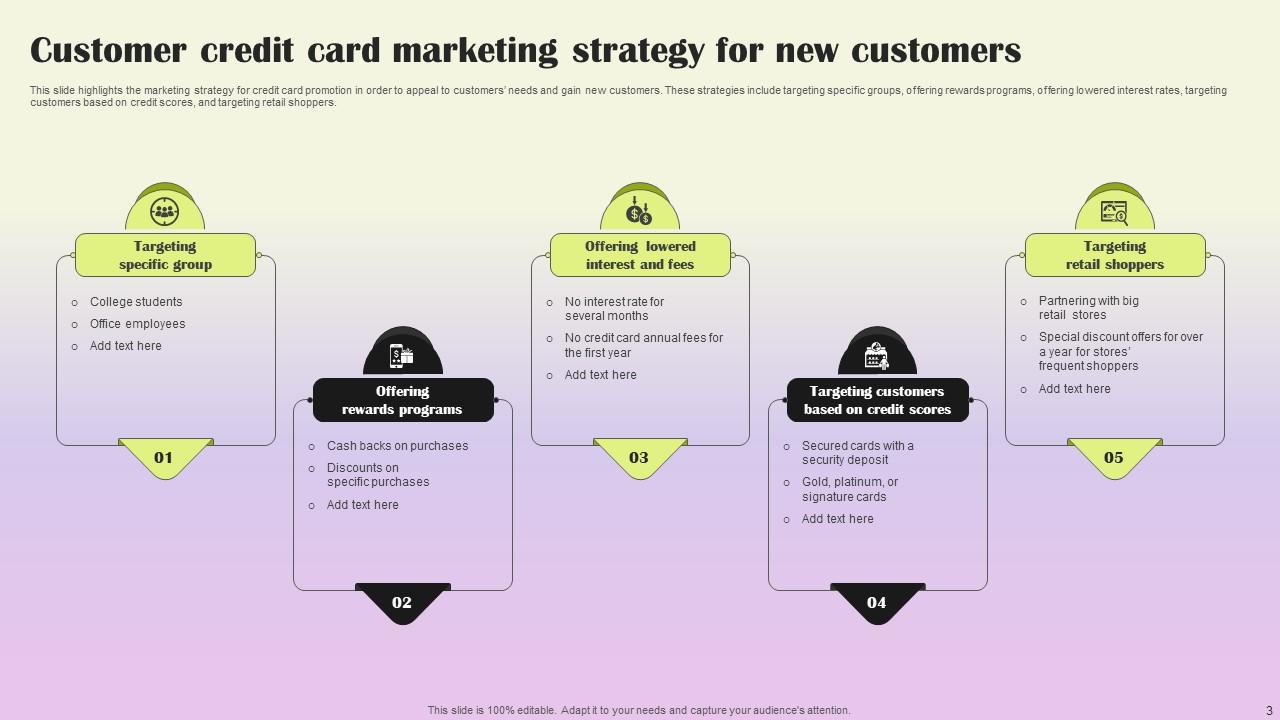
Credit card companies utilize extensive datasets for precise consumer segmentation. This begins with foundational demographic and credit-related information, including credit scores, income, age, and existing debt. High credit scores typically indicate low-risk, high-spending potential, making these individuals targets for premium rewards cards. Conversely, those with developing credit histories may receive offers for secured cards, often with higher interest rates, designed for credit building.

Advanced analytics integrate behavioral data such as spending habits, online activity, and purchase categories. A consumer frequently purchasing airline tickets, for instance, might receive targeted offers for travel rewards cards. This granular segmentation allows for highly personalized marketing messages and product features, increasing offer relevance and the likelihood of application and activation.
Psychological Nudging and Behavioral Economics
Credit card companies skillfully employ principles of psychological nudging to influence consumer choices. Introductory offers, like 0% APR periods, exploit the tendency to prioritize immediate benefits. Many consumers fail to clear balances before promotional periods end, subsequently incurring high standard interest rates. Reward programs, whether points or cashback, are structured to encourage specific spending behaviors, often leading to consolidation of spending in high-reward categories or spending beyond immediate needs to reach thresholds. This psychological conditioning fosters loyalty and increases transactional volume, benefiting issuers through interchange fees and interest accrual.
Strategic Partnerships and Ecosystem Integration
Modern credit card targeting heavily relies on strategic partnerships, creating integrated ecosystems where card usage is embedded into daily life. Co-branded cards with airlines, hotels, or retailers leverage existing customer loyalty by offering exclusive, brand-specific benefits. For example, an airline co-branded card might offer free checked bags, appealing directly to frequent travelers. This approach reduces friction in the application process and positions the card as an extension of a valued service, leading to consistent usage and higher retention rates.
Digital Channels and Omnichannel Engagement
Digital platforms have revolutionized credit card targeting, enabling comprehensive omnichannel engagement. Online advertising via search engines, social media, and programmatic display networks facilitates hyper-targeted campaigns based on browsing history and interests. Email marketing nurtures leads with personalized offers and balance transfer options. Mobile applications enhance engagement through account management, spending insights, and push notifications for tailored promotions. This cohesive digital strategy ensures consumers encounter offers at multiple touchpoints, reinforcing brand presence and streamlining the application process, thus increasing conversion and continuous interaction.
| Targeting Approach | Primary Mechanism | Consumer Impact/Response | Strategic Benefit for Issuer |
|---|---|---|---|
| Demographic & Credit-Based | Utilizes credit scores, income, age, and location data to assess risk and spending potential. | Receives offers aligned with perceived financial stability, potentially varying in interest rates and limits. | Identifies low-risk, high-value customers; manages risk; caters to specific credit segments efficiently. |
| Behavioral & Psychographic | Analyzes spending patterns, online activity, lifestyle choices, and psychological biases. | Encouraged to spend in certain categories; influenced by introductory offers or loyalty programs. | Increases card usage and transaction volume; fosters loyalty through personalization; maximizes interchange fees. |
| Partnership & Affinity | Collaborates with airlines, retailers, hotels, or other brands for co-branded cards and integrated offers. | Offered cards that enhance existing loyalty programs or consumption habits with specific brand perks. | Taps into established customer bases; leverages partner brand equity; creates integrated spending ecosystems. |
Practical Tips for Navigating Credit Card Offers:
- Read the Fine Print Carefully: Always review terms and conditions, focusing on interest rates, annual fees, and the duration of introductory offers.
- Understand Your Credit Score: Knowing your credit score helps anticipate offer appropriateness for your financial situation.
- Beware of “Too Good to Be True” Offers: Understand conditions and potential pitfalls after promotional periods, even for 0% APR or substantial rewards.
- Monitor Your Credit Report: Regularly check for unauthorized accounts or suspicious activity, indicators of identity theft or mis-targeting.
- Utilize Opt-Out Options: Opt out of pre-screened credit card offers to reduce unsolicited mail and targeted advertisements.
- Set Clear Spending Limits: Establish personal boundaries for credit card use to avoid overspending, regardless of attractive rewards or perks.
- Prioritize Debt Repayment: Focus on paying down high-interest balances promptly to mitigate the strategic advantages credit card companies gain from accruing interest.
Verdict and Recommendation:
The sophistication of credit card targeting necessitates an equally sophisticated approach to financial literacy and decision-making by consumers. Companies blend data analytics, psychological insights, and strategic partnerships to craft compelling offers, all aimed at profit maximization. For consumers, the key is to engage with credit products from an informed position.
Our recommendation is unequivocal: approach every credit card offer with critical discernment. Prioritize financial products that genuinely align with your established spending habits and long-term financial goals, rather than allowing marketing appeals to dictate consumption. By understanding these targeting strategies, consumers can transform from passive recipients into active, empowered participants in their financial journey, leveraging credit tools wisely while mitigating inherent risks.