Evaluating Bungee Jumping Eligibility: A Critical Analysis for Participants and Operators
Bungee jumping stands as an iconic extreme sport, offering an unparalleled rush and a profound test of courage. However, this exhilarating spectacle is underpinned by rigorous prerequisites, essential for both participant safety and operational integrity. For aspiring jumpers and facilitating professionals alike, a comprehensive understanding of these eligibility criteria is not merely a guideline but a fundamental pillar of responsible risk management within adventure tourism.
The Participant’s Imperative: Physical and Medical Readiness
The initial, and perhaps most crucial, screening occurs with the individual contemplating a jump. Participants must engage in a rigorous self-assessment, scrutinizing their physical and medical history against established safety benchmarks, which are derived from extensive industry data and physiological research.

Firstly, age restrictions are standard, typically mandating a minimum of 14 to 16 years, ensuring sufficient physical development and cognitive maturity to comprehend inherent risks and provide informed consent. While maximum age limits are less common, they can exist for insurance or specific health considerations.
Secondly, weight restrictions are paramount for equipment integrity. Every bungee cord system is precisely engineered for a specific weight range; exceeding the maximum can dangerously overstress the equipment, while falling below the minimum may result in an insufficient stretch, leading to an unsafe jolt. These limits are non-negotiable, calibrated by engineering specifications.
Thirdly, numerous medical conditions absolutely preclude safe participation. These include, but are not limited to, heart conditions, high blood pressure, epilepsy, diabetes, severe asthma, neurological disorders, and any history of significant spinal or neck injuries. Pregnancy is an absolute contraindication due to the immense G-forces. The physiological stresses of a bungee jump can severely exacerbate these conditions, leading to serious injury. Honest disclosure of medical history is an ethical imperative, forming the bedrock of personal responsibility in extreme sports.
The Operator’s Mandate: Due Diligence and Safety Protocols
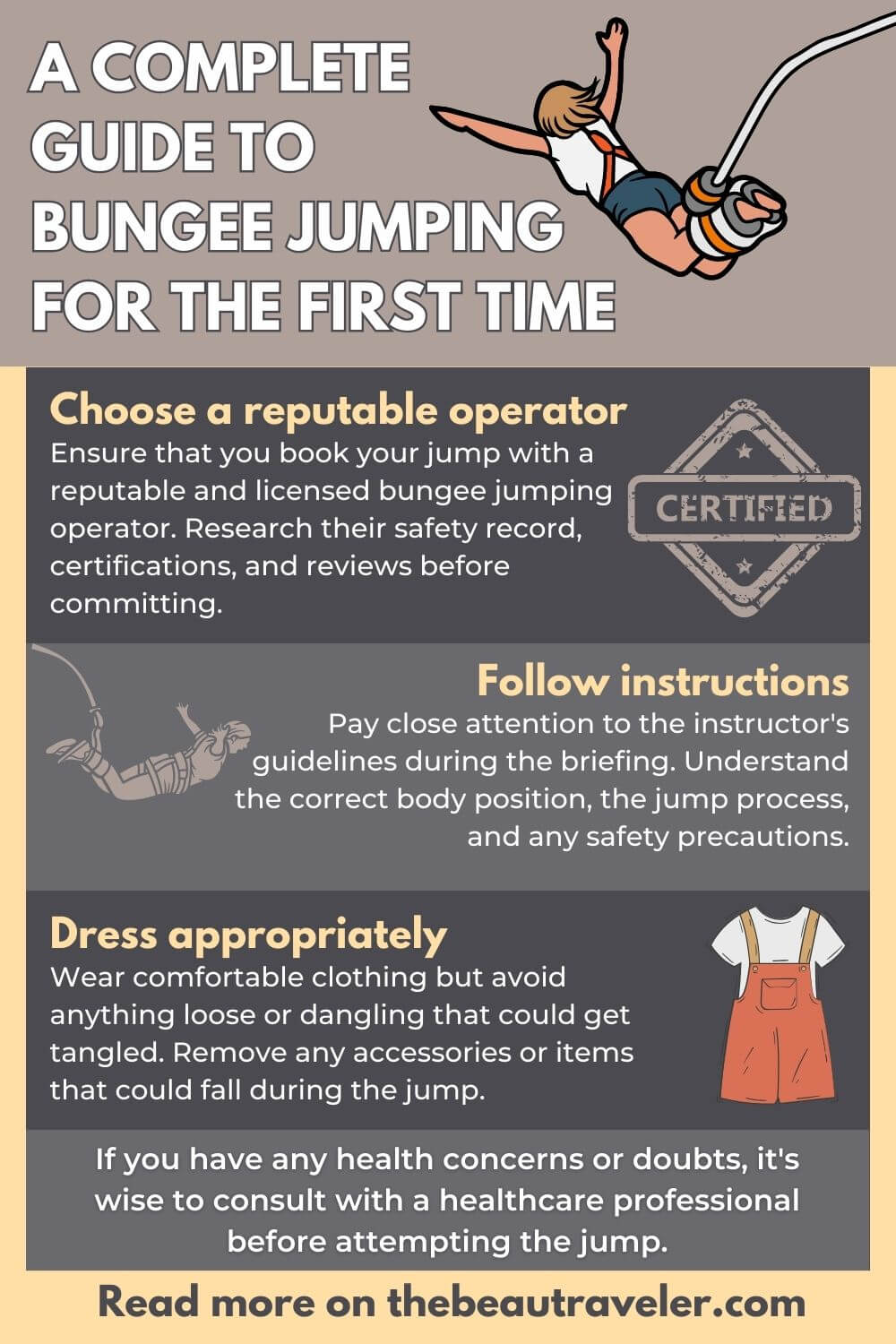
While participant self-assessment is vital, the ultimate gatekeeper for participation is the bungee jumping operator. Their due diligence involves a multi-layered screening process and strict adherence to operational protocols, forming the second critical approach to eligibility assessment. Operators leverage explicit medical questionnaires, physical verification, and observational assessment. Meticulously drafted waivers of liability require participants to affirm understanding of risks and compliance with criteria. This legal document is critical for communication, ensuring full awareness of dangers and responsibilities.
Operators conduct physical checks, including accurate weight measurement, ensuring compliance with equipment specifications. They possess a professional and ethical obligation to refuse participation to anyone deemed physically or psychologically unfit, irrespective of the individual’s claims. This discretionary power is fundamental to maintaining safety standards, often backed by industry best practices and certifications from bodies like national adventure tourism regulators. Beyond individual screening, robust operational protocols include regular inspection and maintenance of all equipment, from cords and harnesses to platforms. Staff must be highly trained, certified in first aid and rescue techniques. A comprehensive, rehearsed emergency response plan is non-negotiable. The reliability of an operator’s safety record and adherence to international standards directly correlates with the jump’s safety profile, making operator selection as crucial as personal eligibility.
The Psychological Dimension: Readiness and True Informed Consent
Beyond physical and medical prerequisites, psychological readiness plays an equally pivotal, though less quantifiable, role in determining who can safely and positively experience bungee jumping. This dimension assesses an individual’s mental fortitude, their capacity to manage extreme fear, and their genuine understanding of the commitment involved. Bungee jumping presents an intense mental challenge; the moments leading up to the jump involve a profound psychological threshold where innate survival instincts are intensely engaged. Participants must possess the mental resilience to override this natural inclination, placing implicit trust in the equipment and the operator.
While formal psychological evaluations are impractical, operators often rely on observing participant demeanor, verbal cues, and their ability to follow instructions calmly. Erratic behavior, extreme panic, or signs of coercion should immediately raise red flags, prompting refusal. Crucially, true informed consent extends beyond merely signing a waiver. It implies a deep cognitive and emotional comprehension of the risks, including the potential for serious injury or death, despite all safety measures. A participant who is rushed, pressured, or fails to grasp the gravity of their decision has not truly provided informed consent, irrespective of physical eligibility. Both operators and participants share responsibility: operators must present information clearly, while participants must engage thoughtfully.
Legal and Insurance Frameworks: External Pressures on Eligibility
The legal and insurance landscapes significantly shape all eligibility determinations within the bungee jumping industry, imposing external pressures that reinforce stringent operator protocols. Operators function within specific legal jurisdictions, which dictate requirements for permits, safety standards, and liability insurance. Legal obligations mandate thorough screenings and comprehensive safety records; failure can lead to severe penalties, including criminal charges for gross negligence. This legal imperative strongly deters lax eligibility enforcement.
From an insurance perspective, comprehensive liability coverage is indispensable for operators. Insurers often impose rigorous conditions concerning participant eligibility, equipment maintenance, and staff training. Any deviation from these conditions could void the policy, exposing the operator to immense financial risk in the event of an incident. Consequently, operators have a vested financial interest in strictly adhering to eligibility criteria, as it directly impacts their insurability and premium costs. For participants, understanding whether personal travel insurance covers extreme sports activities like bungee jumping is also critical. Many standard policies explicitly exclude such high-risk activities, leaving participants personally liable for medical costs should an incident occur.
Key Eligibility Considerations for Bungee Jumping:
- Age Verification: Confirmation of meeting the minimum age requirement, often with photo identification.
- Weight Compliance: Accurate measurement to ensure placement within the safe minimum and maximum weight range for the specific bungee system.
- Medical Disclosure: Honest and comprehensive reporting of all past and present medical conditions, injuries, or medications to the operator.
- Psychological Readiness: Objective self-assessment of mental fortitude and ability to manage intense fear, coupled with clear communication with staff.
- Informed Consent: Demonstrated thorough comprehension and acceptance of the inherent risks, as documented and explained in liability waivers.
- Operator Accreditation: Verification of the operator’s safety record, certifications, and adherence to national or international industry standards.
- Substance Avoidance: Strict abstinence from alcohol or recreational drugs prior to the jump, as these impair judgment and coordination.
Common Mistakes to Avoid:
- Concealing Medical Conditions: Deliberately withholding or downplaying health issues, which can lead to severe medical emergencies during the jump.
- Underestimating Psychological Impact: Failing to mentally prepare for the intense fear and adrenaline, potentially causing panic or refusal at the platform.
- Ignoring Operator Safety Briefings: Not paying full attention to critical instructions regarding safety procedures, equipment, and emergency protocols.
- Failing to Read Waivers Thoroughly: Signing legal documents without fully understanding the accepted risks and the rights being waived.
- Assuming Uniform Standards: Believing that all bungee jumping operators adhere to identical safety and eligibility criteria; standards can vary significantly.
- Yielding to Peer Pressure: Succumbing to external pressure to jump despite personal reservations or non-compliance with eligibility requirements.
FAQ Section:
Are there different eligibility criteria for indoor versus outdoor bungee jumping?
Generally, the core eligibility criteria concerning age, weight, and critical medical conditions remain consistent across both indoor and outdoor bungee jumping venues. The fundamental physics, equipment, and physiological stresses are largely similar. However, specific operators might have minor variations based on unique equipment, insurance policies, or local regulations. Always verify the exact requirements with your chosen operator, irrespective of the venue type.
Can a person with a history of anxiety still bungee jump?
A history of anxiety presents a nuanced challenge. While general anxiety, if well-managed and disclosed, might not be an absolute contraindication, the acute stress of bungee jumping can trigger or exacerbate symptoms. Individuals should seek medical clearance and have a candid discussion with the operator. Operators retain the right to refuse participation if they deem the psychological risk too high, prioritizing safety above all else.
What if I gain or lose weight significantly after booking, impacting weight limits?
Significant weight changes between booking and the jump date can absolutely impact eligibility. Bungee cord systems operate within precise weight ranges, and deviating from these can compromise safety. It is imperative to contact the operator immediately if you anticipate or experience a substantial weight change. They will advise if your new weight is within safe parameters, potentially requiring a different cord system or rescheduling.
Verdict and Recommendation:
Determining who can safely bungee jump necessitates a holistic, two-pronged approach: rigorous participant self-assessment and uncompromising operator due diligence. It extends beyond simply meeting minimums; it demands a comprehensive risk alignment. Participants are strongly advised to conduct an honest evaluation of their physical, medical, and psychological readiness, always prioritizing safety over the pursuit of thrill. Concurrently, industry operators bear the critical responsibility of implementing stringent screening procedures, maintaining superior equipment, and ensuring highly trained personnel. The synergy of a truly eligible participant and a meticulously operated, safety-focused jump site is the only acceptable pathway to a safe and exhilarating bungee jumping experience. Aspiring jumpers should choose operators with demonstrable safety records, robust certifications, and transparent eligibility guidelines, and always disclose any health concerns without reservation. This dual commitment is indispensable for the sustainable integrity and safety of the extreme sports sector.