Rafting in Kerrville, TX: Common Misconceptions to Avoid
Navigating the tourism landscape of a region, especially concerning specific outdoor activities, requires a clear understanding of what’s truly available versus what might be broadly advertised or assumed. For those considering river activities in Kerrville, Texas, or evaluating potential investments in its tourism sector, discerning the reality of "rafting" is crucial for both consumer satisfaction and business viability.
This strategic overview aims to clarify common misconceptions, providing a framework for informed decision-making based on realistic expectations, risk assessments, and potential returns on investment within the unique context of the Texas Hill Country’s waterways.
Understanding "Rafting" in the Texas Hill Country Context
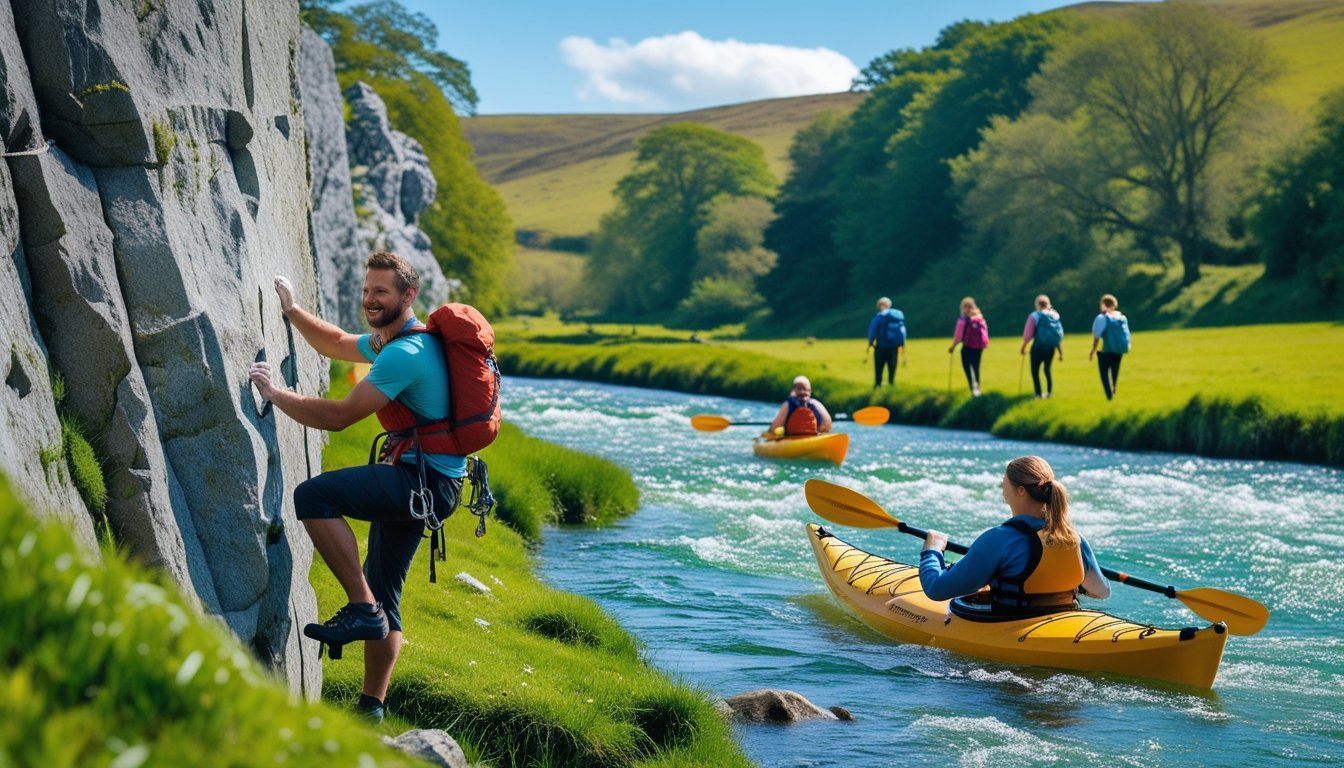
The term "rafting" often conjures images of exhilarating whitewater rapids, large inflatable rafts, and skilled guides navigating challenging river conditions. While parts of Texas do offer engaging paddling experiences, the Guadalupe River through Kerrville typically presents a different reality. The prevailing activity here is more aligned with leisurely tubing, kayaking, and canoeing on generally calmer, albeit seasonally variable, flows.
For visitors, a key mistake is arriving with expectations of Class III or IV whitewater rafting, which is largely unavailable on the Guadalupe in Kerrville. The river’s character in this stretch is predominantly flatwater to mild Class I rapids, making it ideal for relaxed floats and family-friendly paddling. Misaligning these expectations can lead to significant disappointment, directly impacting visitor satisfaction and, by extension, the local tourism reputation.

From an investor’s perspective, overlooking this distinction is a critical pitfall. Businesses considering "rafting" operations must conduct thorough market research to understand the specific demand. Investing in expensive whitewater rafting equipment or marketing strategies for an activity that doesn’t genuinely exist can result in substantial capital expenditure with little to no ROI. The established market successfully caters to tubing, kayaking, and stand-up paddleboarding, which require different infrastructure, equipment, and safety protocols.
Risk & Benefit Analysis: Navigating Kerrville’s Waterways
Any engagement with natural resources, particularly waterways, necessitates a comprehensive risk and benefit analysis. For individuals, the risks associated with "rafting" in Kerrville are primarily those of any calm-water activity: sun exposure, dehydration, minor scrapes, and the general hazards of water recreation. However, misjudging the river’s conditions, especially during periods of higher flow after rain, can elevate risks unexpectedly for those unprepared for even mild currents or obstacles.
The benefits for visitors are clear: access to natural beauty, opportunities for relaxation, family recreation, and a chance to experience the serene Texas Hill Country from a unique vantage point. These benefits contribute significantly to the local quality of life and tourism appeal, generating economic activity for local businesses.
For entrepreneurs and local government, the risk profile shifts to operational, financial, and reputational concerns. Operational risks include fluctuating water levels (droughts can render river activities impossible or unappealing), environmental regulations, and ensuring customer safety. Financial risks involve initial capital outlay, ongoing maintenance, insurance, and the seasonality of demand. Reputational risks arise from safety incidents, environmental degradation, or failing to meet customer expectations due to misrepresentation of services.
The benefits for the community and investors are substantial, including job creation, increased tourist spending, diversification of the local economy, and enhancement of Kerrville’s brand as an outdoor destination. Maximizing these benefits while mitigating risks requires a detailed understanding of the specific river environment and market dynamics, ensuring that any venture aligns with the actual capabilities and appeal of the Guadalupe River in Kerrville.
Fact: The Guadalupe River, particularly downstream from Canyon Lake, is renowned as one of Texas’s most popular tubing destinations, drawing hundreds of thousands of visitors annually for leisurely floats rather than whitewater challenges.
Insight: This indicates a clear market preference for accessible, relaxed river experiences, highlighting the potential for misdirected investment in high-adventure "rafting" where the demand and natural conditions are not aligned.
Investment Pitfalls and Opportunities for Local Tourism
Businesses looking to capitalize on Kerrville’s river tourism must carefully evaluate investment decisions to avoid common pitfalls. A primary mistake is assuming that "river tourism" universally means all forms of water-based recreation are equally viable or profitable. For Kerrville, the lucrative opportunities lie in enhancing and diversifying existing popular activities like tubing, kayaking, and stand-up paddleboarding, rather than attempting to introduce a niche "rafting" segment that doesn’t fit the river’s character or local demand.
Investment pitfalls include over-capitalization on specialized equipment not suited for the local river conditions, underestimating the impact of seasonal water level variations on business continuity, and failing to secure adequate liability insurance for water activities. Moreover, ignoring local zoning laws or environmental protection acts can lead to costly fines and operational disruptions.
Conversely, significant opportunities exist for strategic investment. Enhancing access points, improving rental fleet quality, offering guided interpretive tours for kayaking or canoeing, and developing complementary services like riverside dining, gear shops, or shuttle services can yield strong ROI. Businesses that focus on integrated experiences – combining river floats with local dining, shopping, or cultural attractions – often see higher customer satisfaction and repeat business.
Decision-making frameworks should emphasize market validation, cost-benefit analysis for specific activity offerings, and a robust understanding of operational scalability. Small-scale operators might focus on high-quality niche rentals or guided tours, leveraging local expertise. Larger enterprises could consider developing multi-activity resorts or comprehensive outdoor recreation hubs, provided their offerings genuinely align with the region’s natural assets and consumer preferences. The key is to invest in what the river can realistically offer, not what popular culture might associate with "rafting."
Fact: Outdoor recreation contributes an estimated $12.2 billion to Texas’s GDP annually, supporting 115,000 jobs, with water-based activities being a significant component of this economic impact.
Insight: This underscores the substantial economic potential of river tourism in areas like Kerrville, but also highlights the need for strategic investments that align with proven demand and sustainable practices to capture a share of this market effectively.
Strategic Planning for a Sustainable River Experience
Long-term success in river tourism, whether for individual enjoyment or business profitability, hinges on strategic planning that prioritizes sustainability. A common oversight is focusing solely on short-term gains without considering the ecological footprint, community impact, or the long-term viability of the natural resource itself. For Kerrville’s Guadalupe River, sustainable planning means safeguarding water quality, managing riverbank erosion, and educating visitors on responsible recreation practices.
From a strategic consultant’s perspective, decision-making frameworks should integrate environmental impact assessments, community engagement strategies, and adaptive management plans. For instance, businesses should invest in eco-friendly equipment, implement waste reduction programs, and support local conservation efforts. This not only protects the environment but also enhances brand reputation and appeals to a growing segment of environmentally conscious tourists.
Another crucial element is adapting to climatic shifts and their impact on water levels. Proactive planning includes diversifying offerings that are less dependent on specific river flows (e.g., hiking, cycling, local cultural tours) or investing in technologies that allow for operations across a wider range of river conditions. This ensures business resilience and continuity, mitigating risks associated with unpredictable weather patterns.
Ultimately, creating a sustainable river experience involves a holistic approach. It’s about more than just providing a rental service; it’s about fostering a stewardship mindset among visitors and operators alike. This ensures that the Guadalupe River remains a vibrant, accessible, and economically beneficial asset for Kerrville for generations to come, moving beyond any initial misconceptions to embrace its true, unique value.
FAQ Section
Is traditional whitewater rafting available near Kerrville, TX?
No, traditional whitewater rafting, as commonly understood with significant rapids and large rafts, is not typically available in or immediately near Kerrville, Texas. The Guadalupe River through Kerrville is characterized by calmer waters, suitable for leisurely floats, tubing, kayaking, and canoeing. While there are some sections of the Guadalupe River downstream that offer slightly more active paddling, they do not generally reach the intensity of whitewater rafting found in other regions globally.
Visitors seeking high-adrenaline whitewater experiences would need to explore other river systems or regions outside of Texas. The charm of Kerrville’s river activities lies in its serene beauty and family-friendly accessibility, rather than its capacity for extreme sports.
What are the most popular river activities in Kerrville?
The most popular river activities in Kerrville center around relaxed and enjoyable experiences on the Guadalupe River. These include tubing, which involves floating downstream on inflatable tubes; kayaking; and canoeing. Many local outfitters provide rentals for these activities, along with shuttle services to facilitate easy access and retrieval. Stand-up paddleboarding has also gained popularity as a low-impact way to enjoy the tranquil waters.
These activities are ideal for families, groups, and individuals looking to unwind and soak in the natural beauty of the Texas Hill Country. They offer a blend of gentle exercise and peaceful immersion in nature, distinguishing them from more intense "rafting" adventures.
What should I consider before planning a river trip to Kerrville?
Before planning a river trip to Kerrville, several factors should be considered to ensure an enjoyable and safe experience. Firstly, check current river conditions and water levels, as these can fluctuate significantly with rainfall and drought, impacting accessibility and flow. Secondly, understand that the primary activities are tubing, kayaking, and canoeing, so set your expectations accordingly.
Thirdly, research local rental outfitters and their services, including equipment quality, pricing, and shuttle logistics. Always prioritize safety: wear appropriate personal flotation devices (PFDs), stay hydrated, and protect yourself from the sun. Finally, be mindful of local regulations and practice Leave No Trace principles to preserve the river’s natural beauty for everyone. For businesses, consider market demand, operational costs, and environmental impact for sustainable ventures.