Strategic Engagement: Navigating Hiking Opportunities at Ichetucknee Springs
For organizations and individuals considering recreational investments, understanding the full spectrum of opportunities is crucial. Ichetucknee Springs State Park offers more than just its renowned aquatic activities; it presents a strategic opportunity to engage deeply with Florida’s unique terrestrial ecosystems through a network of well-maintained hiking trails. This guide provides a consultant’s perspective on leveraging these trails, emphasizing visitor satisfaction, ecological stewardship, and the inherent decision-making frameworks for optimizing your experience and impact.
Evaluating the ROI of Terrestrial Exploration at Ichetucknee
From a park management perspective, investing in and promoting Ichetucknee’s hiking trails yields significant returns on investment. Diversifying recreational offerings reduces congestion on primary spring access points, extends the average visitor’s stay, and attracts new demographics like dedicated eco-tourists or bird watchers, thereby expanding the park’s market reach. The business impact extends to local economies through increased demand for ancillary services, from dining to lodging. While initial trail development and ongoing maintenance represent costs, the long-term benefits include enhanced park reputation, sustainable visitor growth, and a more resilient operational model less dependent on a single attraction type.

For an individual or family, the ROI of choosing to hike is measured in unique experiences, significant health benefits, and valuable educational insights. It represents a strategic allocation of leisure time, offering a distinct counterpoint to the aquatic focus. This decision allows for deeper immersion in natural Florida, providing unique photographic opportunities and often a quieter, more contemplative experience away from crowds. The perceived risks, such as physical exertion or time commitment, are often outweighed by the benefits of a holistic engagement with the park’s diverse ecosystems, contributing to mental well-being and a profound sense of accomplishment and discovery.
A Decision Framework for Optimal Trail Selection
Every successful endeavor is predicated on clear objectives and a robust decision-making framework. When planning a hike at Ichetucknee, this translates to assessing your desired trail length, difficulty preference, specific environmental interests (e.g., river views, wildlife observation, specific flora), and available time constraints. This strategic pre-planning frames your ‘investment decision’ for the visit, ensuring that your chosen path aligns with personal or group goals. Understanding the unique characteristics of each trail helps minimize the opportunity cost of not exploring a segment that might better meet your expectations, thereby maximizing visitor satisfaction.
Strategic planning also encompasses meticulous resource allocation and preparedness. This includes ensuring adequate hydration, appropriate footwear suitable for varied terrain, sun protection, and a basic understanding of navigation. For groups, the framework extends to delegating responsibilities, confirming all members possess necessary supplies, and establishing clear communication protocols to minimize risks and maximize collective enjoyment. Whether a small-scale individual venture or a larger organized excursion, meticulous preparation is a critical factor directly influencing safety, satisfaction, and the overall success of the recreational investment.
Risk/Benefit Analysis: Balancing Exploration and Environmental Stewardship
Engaging with natural environments, particularly in Florida’s sub-tropical climate, inherently carries identifiable risks that must be strategically managed. At Ichetucknee, these include exposure to heat and humidity, potential encounters with native wildlife (such as snakes or insects), and the possibility of slips or falls on uneven terrain. From a strategic perspective, these risks can translate into negative visitor experiences, which could impact future visitation or, for park operators, raise liability concerns if not proactively addressed through clear signage, well-maintained trails, and comprehensive visitor information. Recognizing and evaluating these risks is the first step in responsible engagement.
Mitigating these risks involves adopting proactive measures: consulting weather forecasts, strictly adhering to marked trails, carrying a first-aid kit, and informing others of your planned itinerary. The benefits of such diligence are substantial: safely accessing unique ecosystems, fostering a deeper appreciation for environmental conservation, and directly contributing to the park’s long-term sustainability by practicing Leave No Trace principles. This symbiotic relationship ensures the long-term viability of both the visitor experience and the natural resources, reflecting a strategic approach to environmental stewardship that yields both short-term enjoyment and long-term ecological health.
Key Hiking Trail Characteristics at Ichetucknee Springs
| Trail Name | Length (approx.) | Difficulty | Strategic Appeal |
|---|---|---|---|
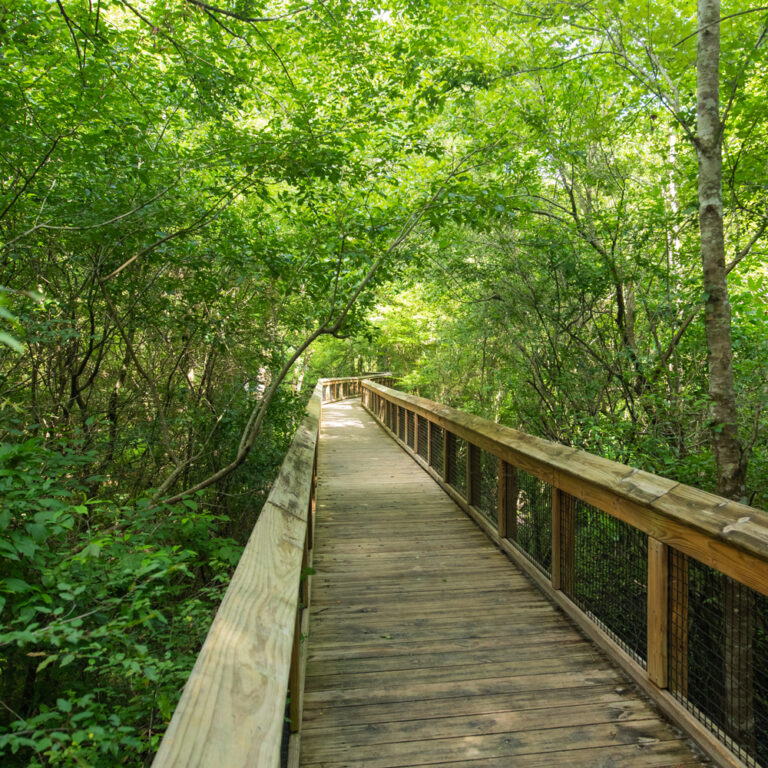
| Trestle Trail | 2 miles (one way) | Easy to Moderate | Multi-use, historic features, river views, connects diverse park areas, ideal for longer excursions. |
| Pine Ridge Trail | 0.8 miles loop | Easy | Wildlife viewing, old-growth pine forests, quiet nature immersion, suitable for all ages. |
| River Trail | 0.5 miles (one way) | Easy | Scenic river vistas, direct access to river, convenient short walk, often less crowded. |
“The strategic management of natural trails, such as those at Ichetucknee, extends beyond mere maintenance; it’s an investment in biodiversity conservation and climate resilience. Each visitor’s adherence to trail etiquette directly contributes to the long-term ecological health of these sensitive habitats, ensuring future generations can experience their pristine beauty.”
— Dr. Eleanor Vance, Environmental Policy Analyst
“From a decision-making perspective, choosing to hike at Ichetucknee offers a distinct ‘value add’ to a traditional spring visit. It diversifies engagement, provides a contrasting sensory experience, and fosters a deeper appreciation for the region’s interconnected ecosystems, maximizing the holistic return on a leisure investment for any strategic visitor.”
— Marcus Thorne, Recreational Tourism Strategist
FAQ Section
What distinct hiking trail options are available at Ichetucknee Springs State Park?
Ichetucknee Springs State Park offers several distinct hiking experiences. The primary long-distance option is the Trestle Trail, a multi-use path spanning approximately two miles one way, featuring historic railroad trestle remnants and diverse landscapes alongside the river. Shorter, more immersive nature trails include the Pine Ridge Trail, an 0.8-mile loop winding through old-growth pine flatwoods, ideal for wildlife observation. Additionally, shorter River Trails offer direct access to scenic river vistas and are perfect for quick, accessible strolls, strategically diversifying a visitor’s terrestrial engagement.
How do the hiking trails strategically enhance the overall visitor experience beyond aquatic activities?
The hiking trails at Ichetucknee Springs offer a crucial strategic enhancement to the overall visitor experience by diversifying engagement beyond the park’s renowned aquatic activities. They provide an alternative ‘return on investment’ for visitors seeking solitude, physical exercise, or a deeper educational connection with Florida’s diverse terrestrial ecosystems. By offering distinct perspectives on flora and fauna, the trails reduce pressure on crowded springheads, extend the average visit duration, and cater to a broader spectrum of recreational preferences, ultimately maximizing the holistic value of a trip to the park.
What critical preparatory steps should be made before embarking on an Ichetucknee Springs hike?
For a safe and rewarding hiking experience at Ichetucknee Springs, critical preparatory steps include a strategic assessment of personal readiness and environmental conditions. Always ensure adequate hydration by carrying sufficient water, wear appropriate closed-toe footwear suitable for uneven terrain, and apply sun protection. Inform someone of your hiking plan and estimated return time. Additionally, familiarize yourself with trail maps, check weather forecasts, and adhere strictly to Leave No Trace principles, which are essential for minimizing ecological impact and ensuring a sustainable experience for all visitors.